Root Canal Treatment.
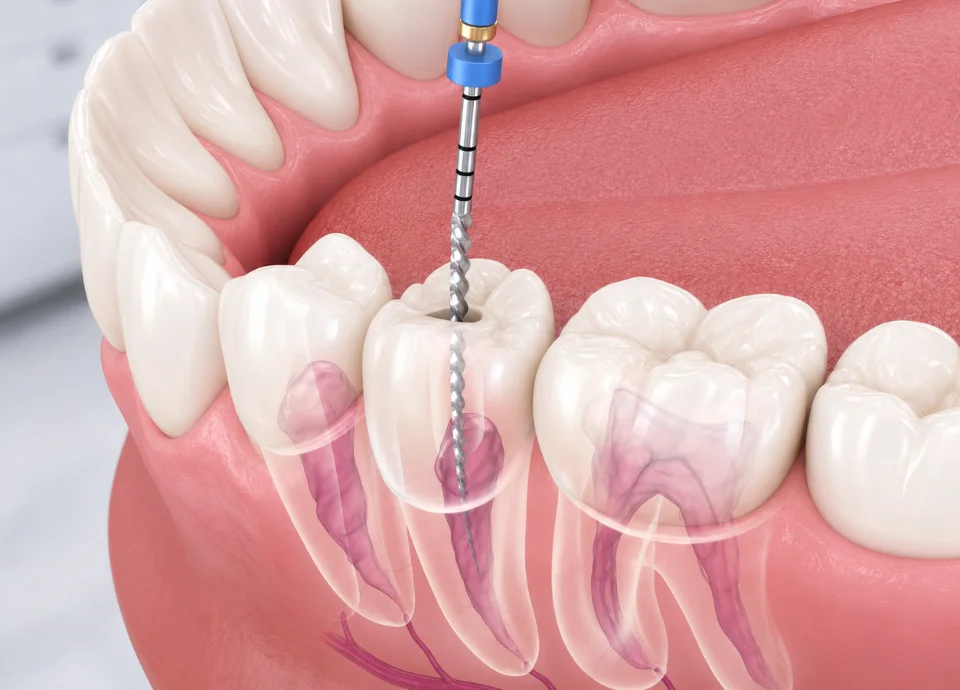
Root canal treatment is a highly effective way to save a tooth that has been damaged by decay, infection, or trauma.
Important Information About Access to Our NHS Services.
Quayside Dental Centre has been commissioned by NHS Gloucestershire to improve access to NHS dental care for patients who may face barriers to accessing services.
As a result, appointments are available only to patients who meet specific eligibility criteria.

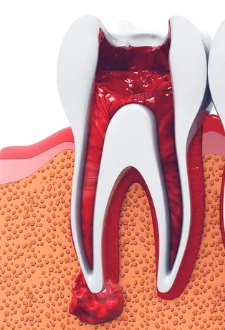
Why might i need a root canal?
What does Root Canal involve?
NHS Dental Charges
Quayside Dental Centre provides NHS dental treatment, with charges set nationally by the NHS.
The cost of treatment depends on the care you need.
Some patients may be entitled to free NHS dental treatment or help with costs. To check eligibility, please click below. If you have any questions about NHS dental charges or eligibility for help with costs, please speak to a member of our team or click below
Band 2
£76.60Band 2 can include:Things patients often ask.
The tooth is numbed with local anaesthetic before treatment begins, so the procedure itself shouldn’t be painful. Root canal treatment actually relieves the pain caused by the infected or damaged pulp, rather than causing it.
This varies depending on the tooth and complexity of the case, but root canal treatment is often completed over two or more appointments. Your dentist will let you know what to expect based on your individual assessment.
Once the root canal is complete, the tooth will usually need a filling or crown to restore its strength and protect it from future damage. Your dentist will discuss the most suitable option for your tooth.
Other services.
Book Root Canal.
If you have any questions about NHS dental charges or eligibility for help with costs, please speak to a member of our team or click here