Gum health.
Gum disease (also known as periodontal disease) is one of the leading causes of tooth loss in adults.

Important Information About Access to Our NHS Services.
Quayside Dental Centre has been commissioned by NHS Gloucestershire to improve access to NHS dental care for patients who may face barriers to accessing services.
As a result, appointments are available only to patients who meet specific eligibility criteria.
Why is gum health important?
Gum disease (also known as periodontal disease) is one of the leading causes of tooth loss in adults. If left untreated, it can lead to gum recession, bone loss around the teeth and, in severe cases, tooth loss.
The earliest stage of gum disease is called gingivitis, which can cause:
How we help.
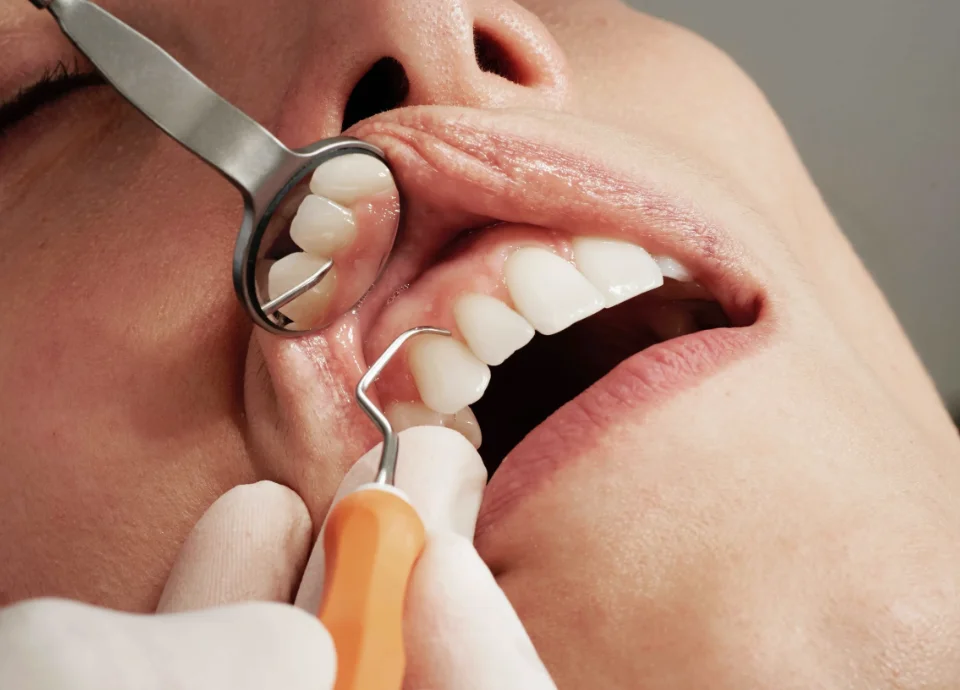
Our dentists and dental therapists can assess your gum health and identify any signs of gum disease.
For patients with more advanced gum disease, ongoing treatment and monitoring may be recommended to help maintain oral health and prevent further damage.

Looking After Your Gums at Home
Healthy gums play a vital role in maintaining healthy teeth. Good daily oral hygiene can significantly reduce your risk of gum disease.
We recommend:
Our team will be happy to demonstrate the most effective techniques and recommend products suited to your individual needs.
NHS Dental Charges
Quayside Dental Centre provides NHS dental treatment, with charges set nationally by the NHS.
The cost of treatment depends on the care you need.
Some patients may be entitled to free NHS dental treatment or help with costs. To check eligibility, please click here. If you have any questions about NHS dental charges or eligibility for help with costs, please speak to a member of our team or click below
Band 1
£27.90Band 1 can include:Things patients often ask.
Common signs include red, swollen or bleeding gums, particularly when brushing or flossing, persistent bad breath, and gums that feel tender or sore. If you notice any of these signs, it’s worth having your gums checked by our team.
The early stage, gingivitis, can usually be reversed with improved oral hygiene and professional cleaning. More advanced gum disease can’t be fully reversed, but it can often be managed and prevented from getting worse with the right treatment and home care.
This will depend on your individual gum health, and your dentist or dental therapist will advise how often you need to be seen. Patients with a history of gum disease are often recommended more frequent reviews to help keep it under control.
Other services.
Book Gum Health.
If you have any questions about NHS dental charges or eligibility for help with costs, please speak to a member of our team or click here