Dental Fillings.
A dental filling is a restorative treatment used to repair cavities or damage to a tooth.

Important Information About Access to Our NHS Services.
Quayside Dental Centre has been commissioned by NHS Gloucestershire to improve access to NHS dental care for patients who may face barriers to accessing services.
As a result, appointments are available only to patients who meet specific eligibility criteria.

What is a dental filling?
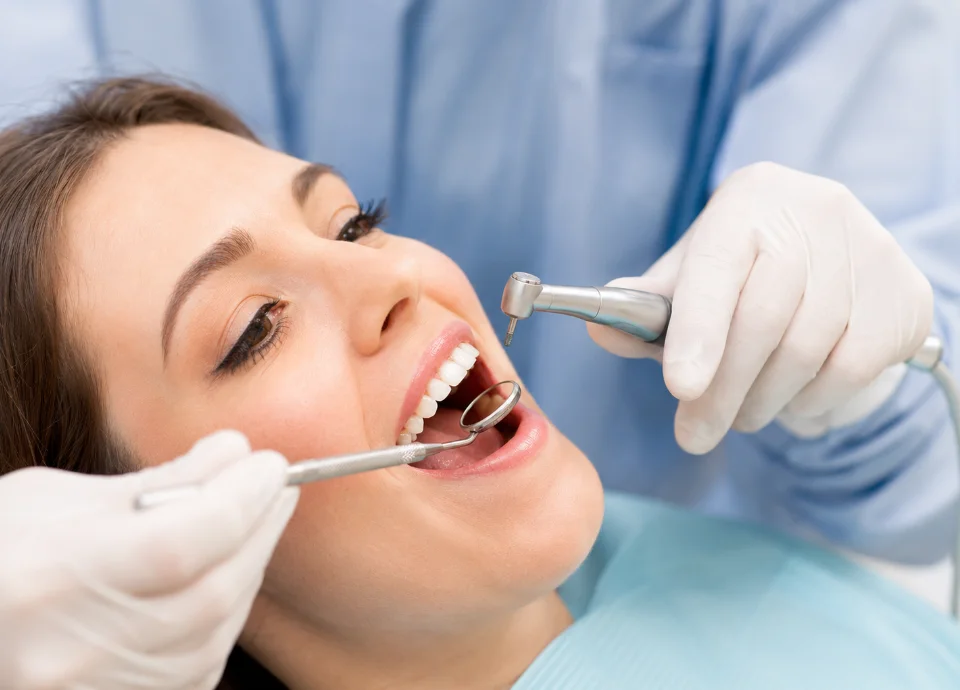
A dental filling is a restorative treatment used to repair cavities or damage to a tooth. The damaged portion of the tooth is removed, and the area is filled with a durable material to restore its shape, function and strength.

Types of Fillings.
The type of filling will be discussed between you and your clinician as the size of the cavity and other factors will need to be considered in selecting the right option for you.
Depending on the size of the cavity, this might involve numbing the area with a local anaesthetic to ensure that you are comfortable throughout the procedure. There may also be the need for placement of a “rubber dam”, which is used for isolation of the area being worked on; it prevents cross contamination and achieves good moisture control.
NHS care, made simple.
Quayside Dental Centre offers focused NHS services. As our team and capacity expand, we’ll begin to offer a wide range of treatments for the whole family.
NHS Dental Charges
Quayside Dental Centre provides NHS dental treatment, with charges set nationally by the NHS.
The cost of treatment depends on the care you need.
Some patients may be entitled to free NHS dental treatment or help with costs. To check eligibility, please click below. If you have any questions about NHS dental charges or eligibility for help with costs, please speak to a member of our team or click below
Band 2
£76.60Band 2 can include:Things patients often ask.
This depends on the size and location of the cavity. Larger fillings usually require a local anaesthetic to numb the area so you’re comfortable throughout, while smaller fillings sometimes don’t need any numbing at all.
Most filling appointments take between 20 and 45 minutes, depending on how many teeth need treatment and the size of the cavity. Your dentist will let you know what to expect at your appointment.
Fillings can last many years with good oral hygiene, although this varies depending on the material used, the size of the filling and how well you look after your teeth. Regular check-ups allow your dentist to monitor your fillings and catch any wear or damage early.
Other services.
Book Fillings.
If you have any questions about NHS dental charges or eligibility for help with costs, please speak to a member of our team or click here